


Master's Degree Programmes
Our consecutive degree programmes lead to a second academic qualification: the Master of Arts (M.A.), Master of Science (M.Sc.) or Master of Education (M.Ed.). In addition to teacher training programmes, we also offer a wide range of courses in other fields of education. The standard duration of study is one to two years (2 to 4 semesters).
Admission to a Master’s programme requires a first academic degree (Bachelor’s). The exact admission requirements, as well as options for recognising credits for work already completed (including at other institutions), can be found on the page for the relevant degree programme. After completing your Master’s degree, you can enter the world of work or continue your academic career – for example, as part of a PhD programme.
-
Biodiversity and Environmental Education (BioBil)
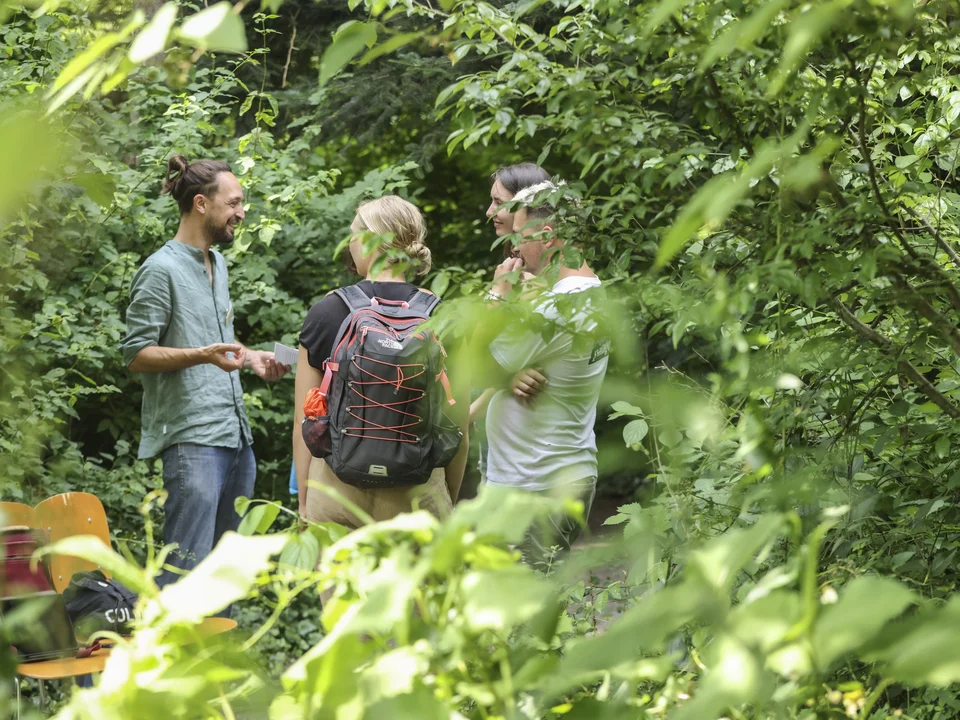
The protection and conservation of biological diversity are regarded worldwide as one of the most pressing challenges. However, sustainable species conservation cannot succeed without the expertise of specialists and public engagement. Environmental education plays a key role within the framework of lifelong learning and Education for Sustainable Development (ESD). This degree programme provides you with knowledge in the fields of biodiversity and environmental education, with a focus on ecology, organismic biology, and nature and species conservation.
-
Digital Education: Psychology, Cognition, Design (DiBi)
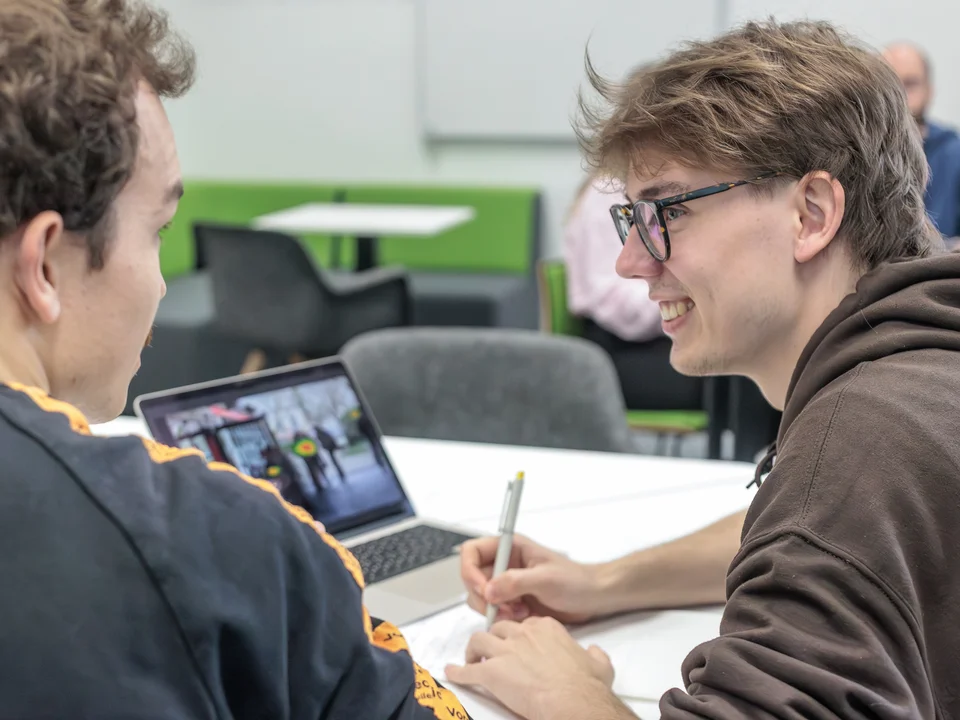
Digital knowledge transfer, the cognitive design of learning materials and an interdisciplinary perspective on the digitalisation of education are the three core competencies you will acquire on this degree programme. Upon completion of the programme, you will have a thorough understanding of the psychological phenomena underlying digital teaching and learning.
-
Adult education (part-time)
Adult education is a diverse field of work and research that is constantly evolving. The part-time Master’s programme in Adult Education offers you up-to-date academic guidance, tried-and-tested concepts for practical educational work, and professional tools for planning and developing further education and training programmes. Flexible standard duration of study makes it easier to study whilst working.
-
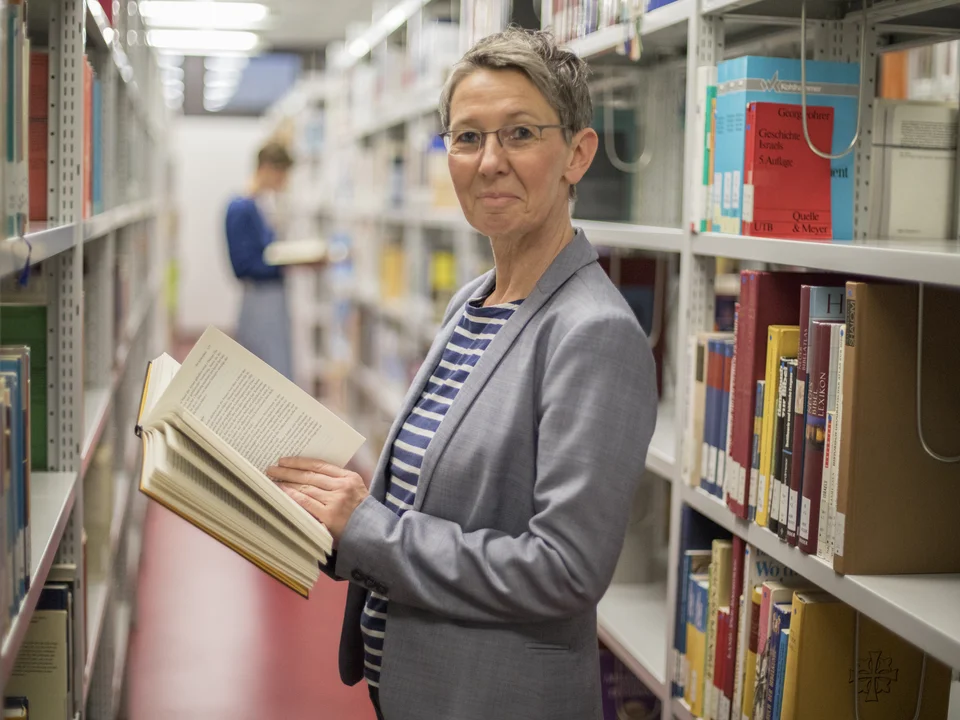
Geragogy (part-time)
Those working with older people should have the skills to support educational programmes and social initiatives in a way that is appropriate to the participants’ age. Older people generally have a wealth of experience to draw upon. Integrating this potential into the educational process in a meaningful and structured way requires comprehensive knowledge of geragogy. In this part-time degree programme, geragogical skills are taught, reflected upon and further developed through a close integration of theory and practice, based on the latest educational research.
-
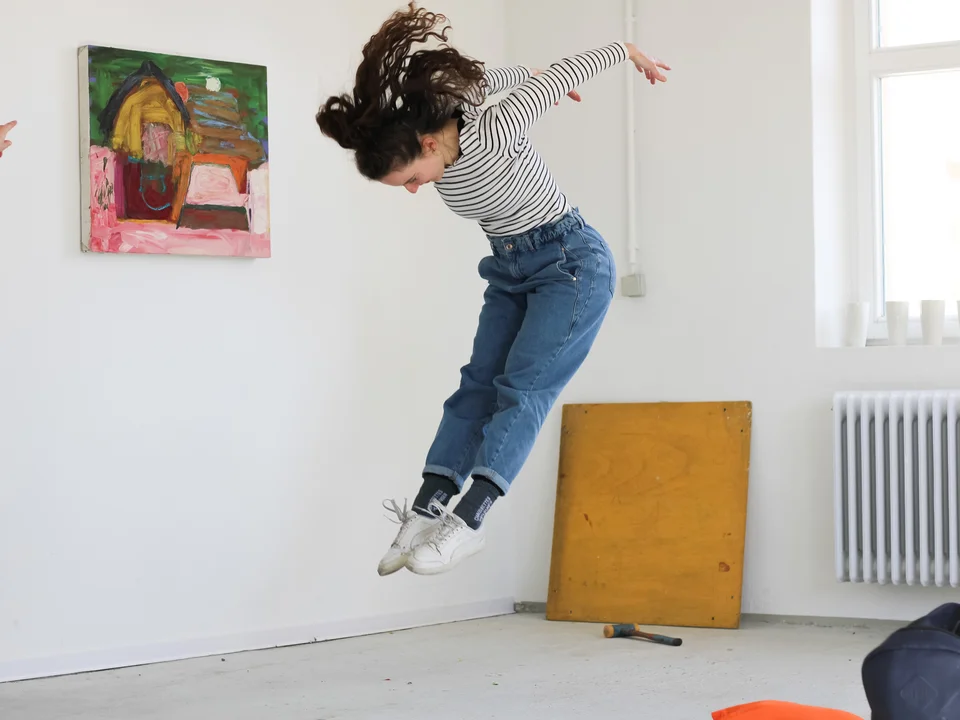
Cultural Education (KULT)
On the Master’s programme in Cultural Mediation (KULT), we develop practice-oriented strategies for critical cultural mediation. Drawing on theories from cultural studies and aesthetics, we engage with current socio-political discourses, such as those on cultural participation, diversity and engagement. Working in small teams, students design and trial research and outreach projects for partner cultural organisations, thereby becoming part of the diverse cultural sector.
-
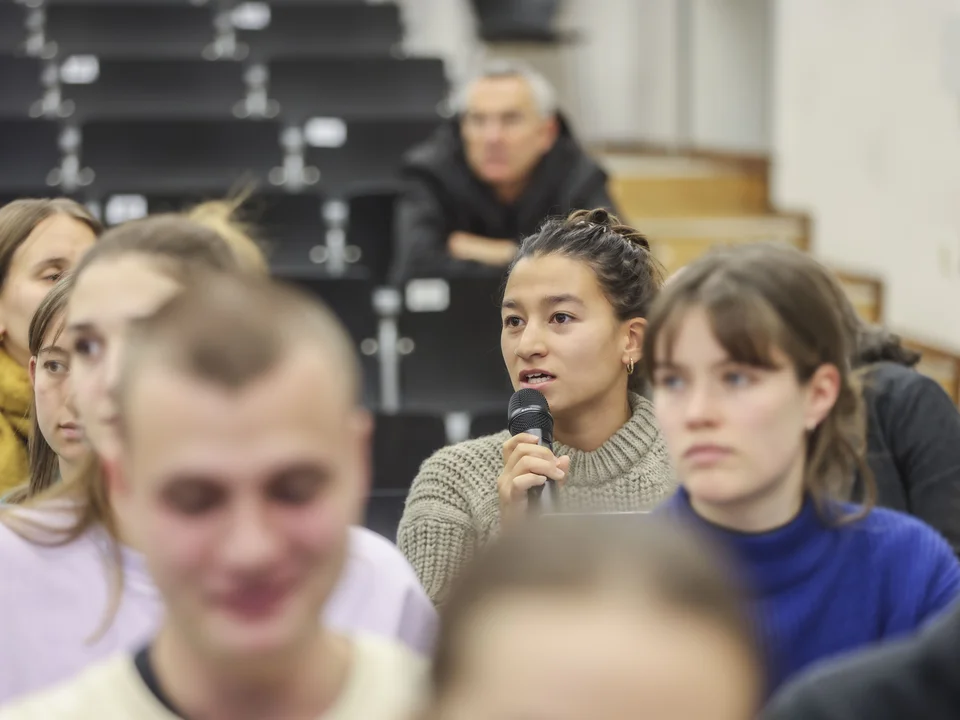
Migration, Education and Democracy (MiBiD)
This full-time Master’s programme prepares you for roles relating to migration, pluralism, democracy and education. The programme focuses on political education (and related work), integration/inclusion and anti-discrimination. We place particular emphasis on fostering a critical reflection on how patterns of thought and action, as well as positions taken – including within the research process itself – are embedded in transnational historical, cultural, media-technological, organisational, political and legal contexts.
-
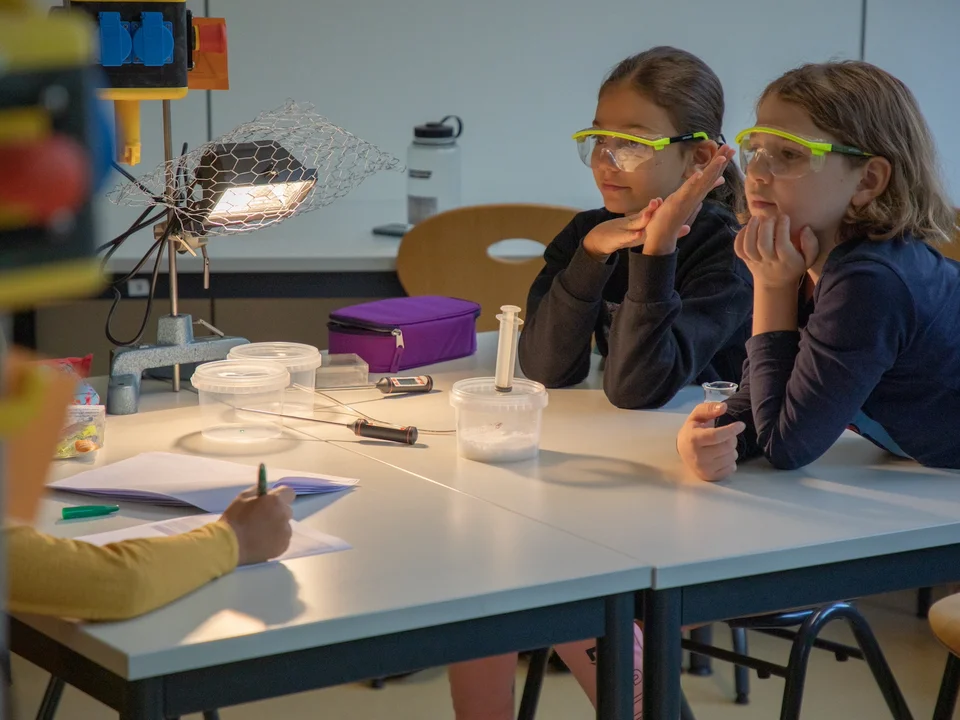
Primary School Teacher Training
The Master’s degree programme in Primary School Teaching, with its focus on the education and upbringing of 5- to 12-year-olds, provides you with the ideal preparation for a career as a primary school teacher. The interdisciplinary approach aims to deepen the skills acquired during the Bachelor’s programme in the fields of educational sciences, subject-specific knowledge and subject-specific teaching methods, whilst striking a balance between theory and practical school experience.
-
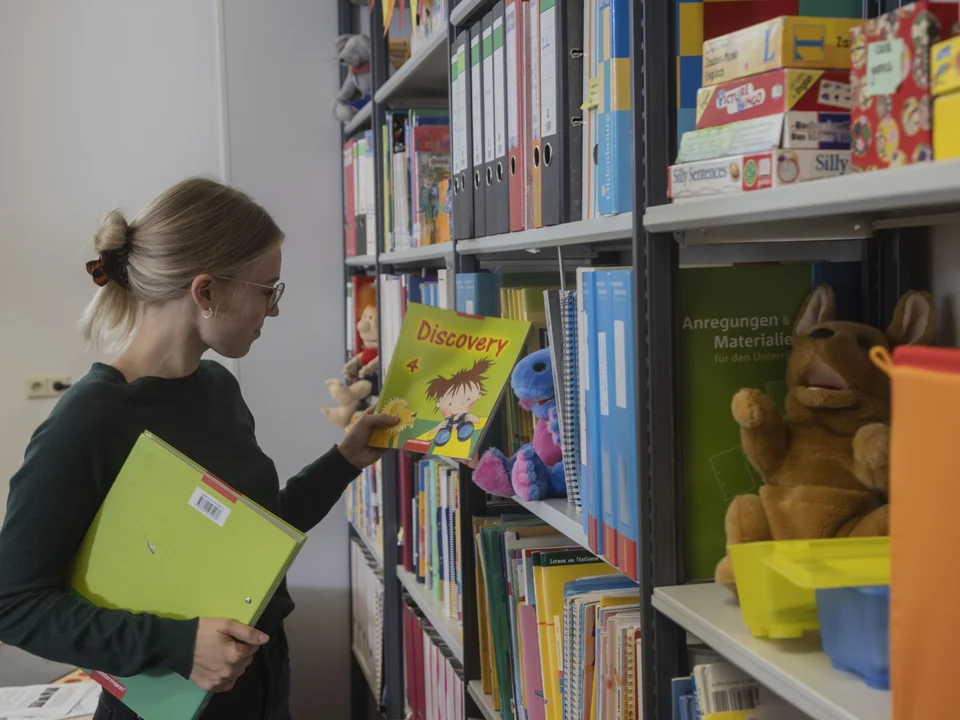
Primary School Teacher Training, Specialising in European Studies
An increasing number of educational institutions are turning to specially trained teachers who can deliver subject-specific lessons in a foreign language and implement intercultural approaches. Through the ‘European Teaching Qualification’ specialisation (known as EULA for short), we offer students on the Master’s degree in Primary School Teaching the opportunity to acquire teaching skills in dealing with multilingualism and intercultural competence in the target languages of English or French.
-
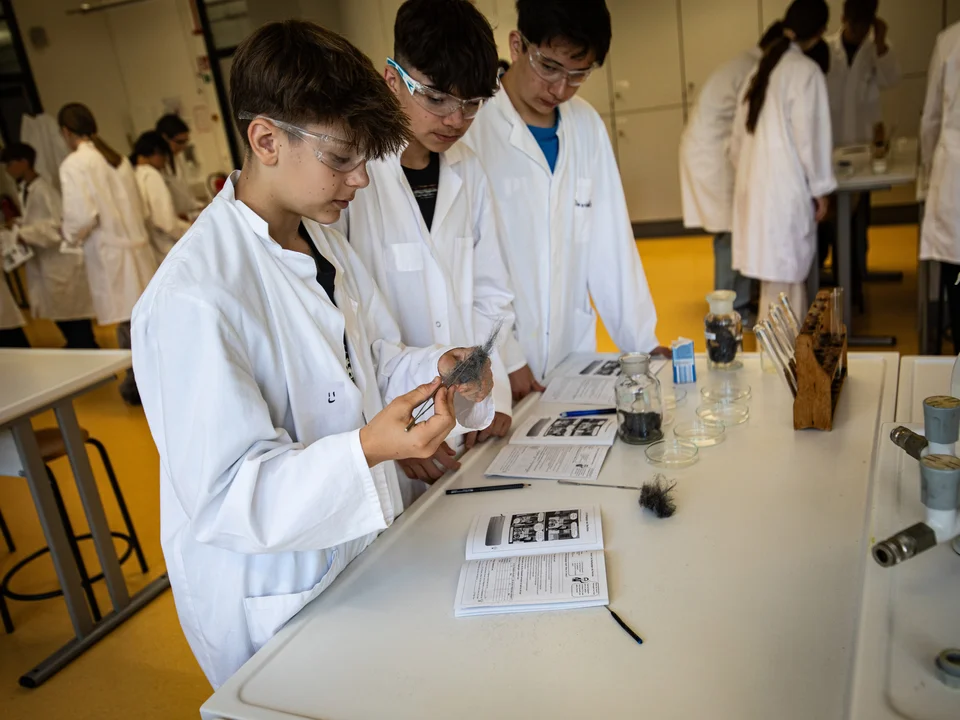
Teacher training for lower secondary level
The Master’s programme in Secondary Level I Teacher Training, with its focus on the education and upbringing of 10- to 17-year-olds, provides you with the ideal preparation for a career as a secondary school teacher. The interdisciplinary approach aims to deepen the skills acquired during the Bachelor’s programme, striking a balance between theory and practical school experience. Through the additional provision of sound knowledge of education in the context of support, development, interculturalism and digitalisation, you will gain the proven qualifications required to be a competent teacher in everyday school life.
-
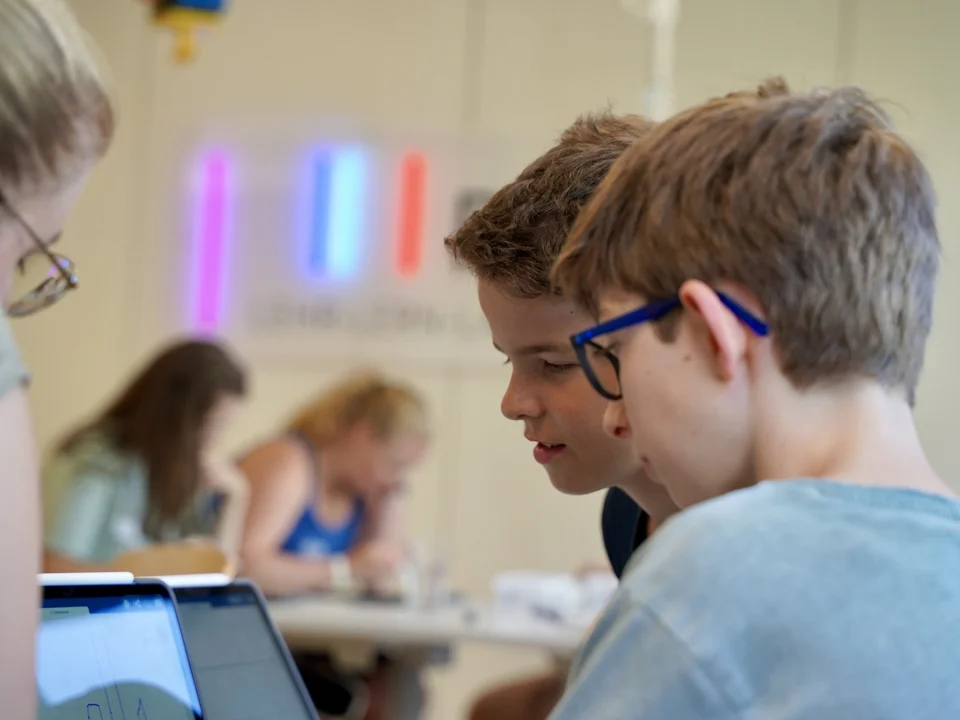
Teacher Training for Lower Secondary Education – dual system
Do you hold a first university degree with a specialisation in physics or computer science, and perhaps have some initial work experience? And have you realised that you’d rather become a teacher? Our dual Master’s programme offers you the ideal route into teaching at lower secondary level, whilst also enabling you to earn an income whilst you study.
-
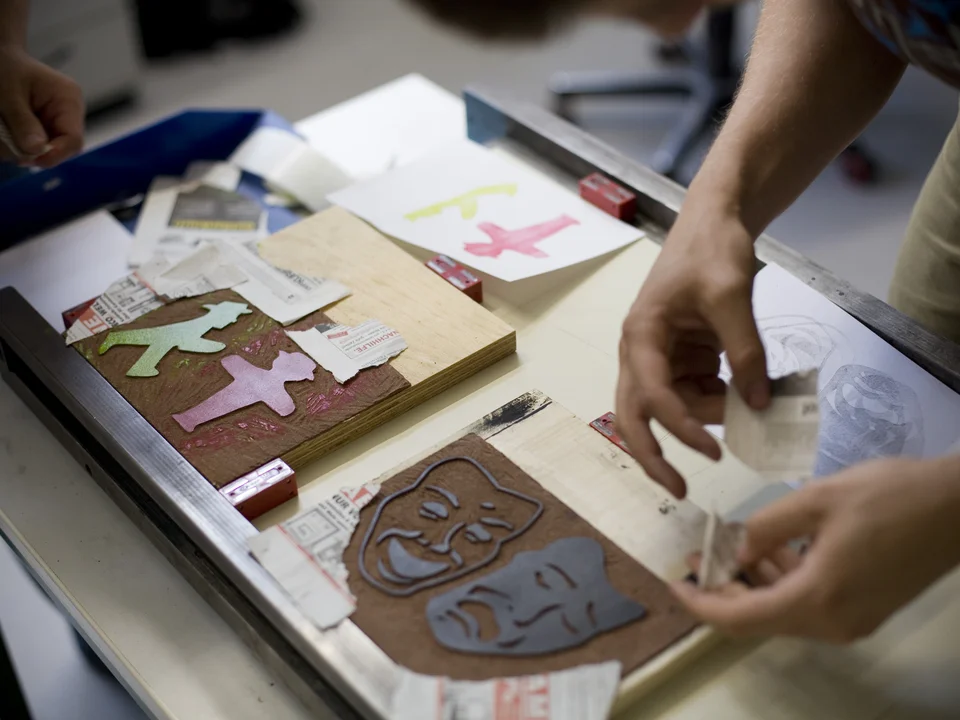
Teacher Training for Lower Secondary Level, Additional Subject
In addition to your regular degree programme, you can study an additional subject as part of the Lower Secondary Level Teacher Training Programme, for which you will then also be granted teaching qualifications. You can complete this additional subject without having to write a Master’s thesis. In this case, you will receive a certificate following an informal application. You will nevertheless acquire the academic qualification required to teach the subject you have studied as part of the Secondary Level I Teacher Training programme.
-
Teacher Training for Lower Secondary Education, Specialising in European Studies
An increasing number of educational institutions are turning to specially trained teachers who can deliver subject-specific lessons in a foreign language and implement intercultural approaches. Through the ‘European Teaching Qualification’ (known as EULA for short), we offer students on the Master’s degree programme in Primary School Teaching the opportunity to acquire teaching skills in dealing with multilingualism and intercultural competence in the target languages of English or French.
-
Higher teaching post at vocational schools
The Master’s programme for teaching at vocational schools has been developed in collaboration with the neighbouring Karlsruhe University of Applied Sciences (HKA) and capitalises on the synergies between two universities situated in close proximity. Students on the HKA’s Bachelor’s programme in Electrical Engineering and Information Technology can obtain an engineering degree and then go on to qualify as teachers at a vocational school.
Updated on 17 September 2026 by Central Web Editorial Office