


Extracurricular Courses
Extracurricular courses are smaller modules that you can take in addition to, or to complement, your regular degree programme. These are usually worth 15 credit points (CP). They are designed to help you develop your own areas of specialisation or to explore topics that particularly interest you in greater depth.
It’s worth taking a certificate course if you
- want to learn something new
- want to deepen your knowledge in a targeted way
- enjoy looking beyond the scope of your own studies
- improve your job prospects
-
Career guidance
This certificate prepares you for the cross-curricular task of career guidance, as set out in the curriculum. It is aimed at students who are not studying economics.
-
German as a second language and as a language of education
German as a second language and a language of education is regarded as a key component of continuous language education across all stages of education.
-
All-day education
Since 2026, the legal right to all-day care in primary schools has been gradually being introduced in Baden-Württemberg. That is why we are also incorporating the topic of ‘all-day schooling’ into our teaching.
-
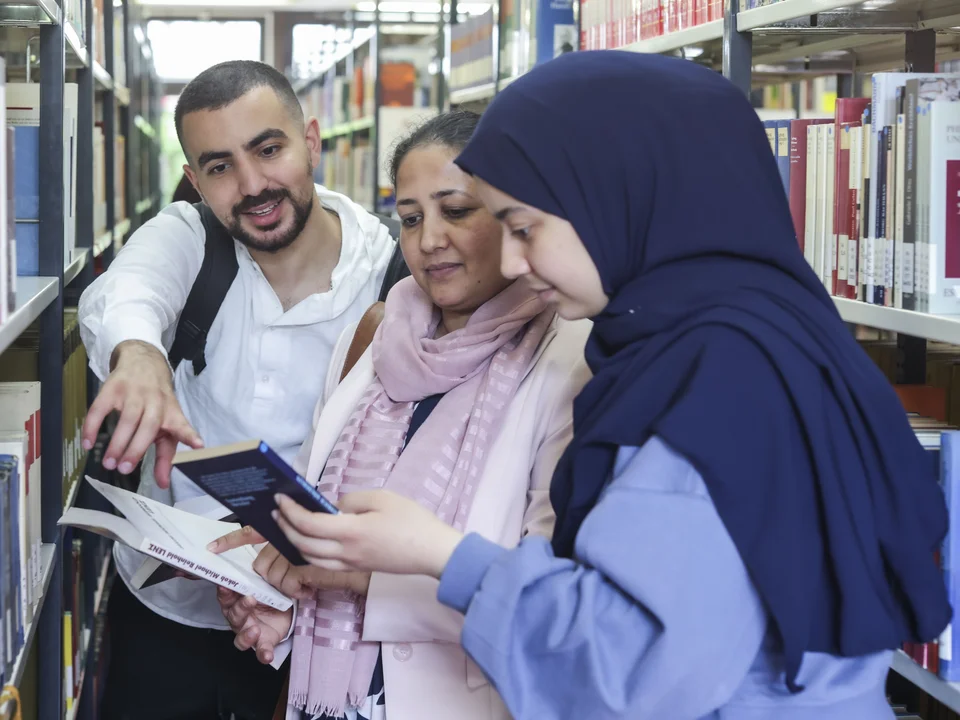
Interfaith Encounter-Based Learning
Students of philosophy and ethics, as well as Jewish, Catholic, Islamic and Protestant theology and religious education, attend selected courses offered by other denominations and faith traditions.
-
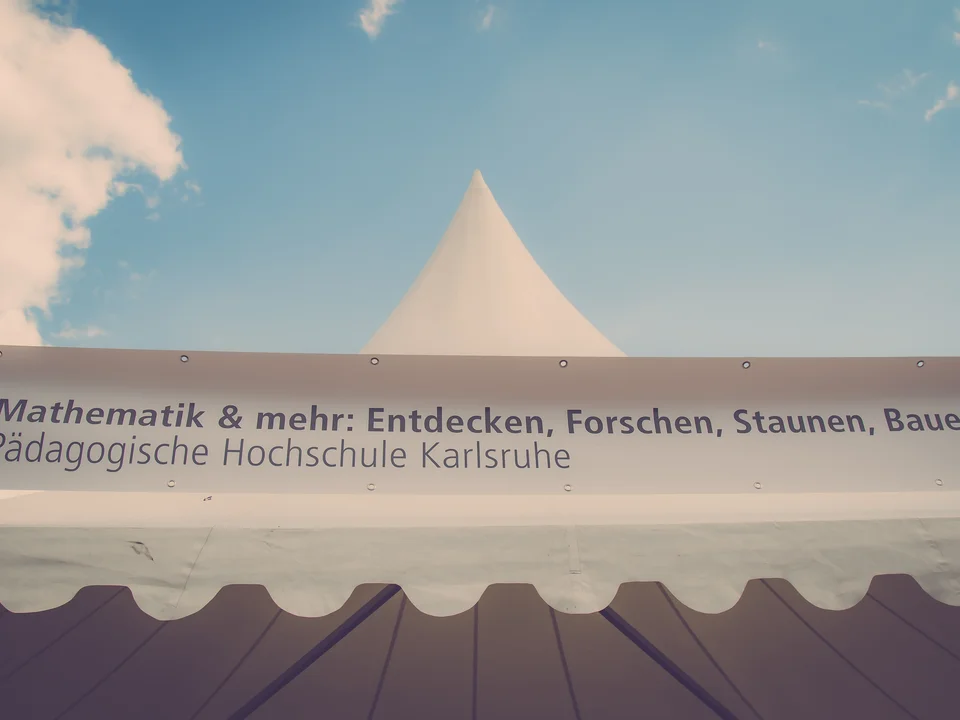
Teaching and learning methods in mathematics
The certificate qualifies students with proven subject-specific skills for challenging roles in teaching support. It is a prerequisite for working as a tutor in mathematics.
-
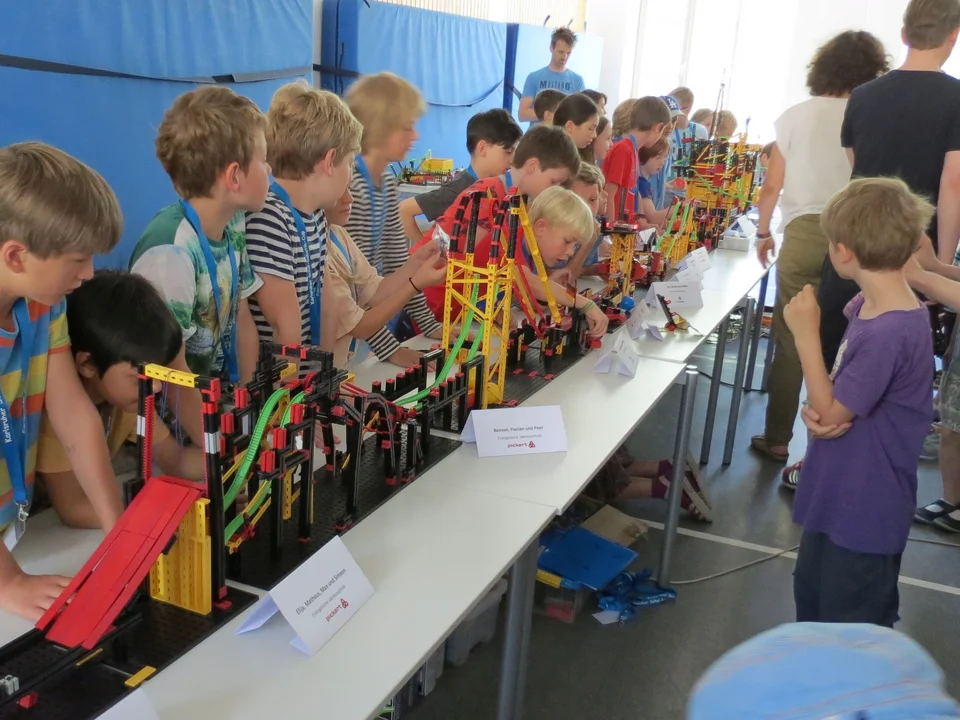
STEM in a culture of sustainability
You will acquire the skills to develop teaching and learning arrangements in line with the guiding principles of interdisciplinary education in STEM subjects and Education for Sustainable Development (ESD).
-
Religion, Science and Worldviews
The certificate is aimed primarily – though not exclusively – at students who have little exposure to topics relating to the history of religion, science and culture as part of their degree programme and who therefore wish to acquire these skills elsewhere.
-
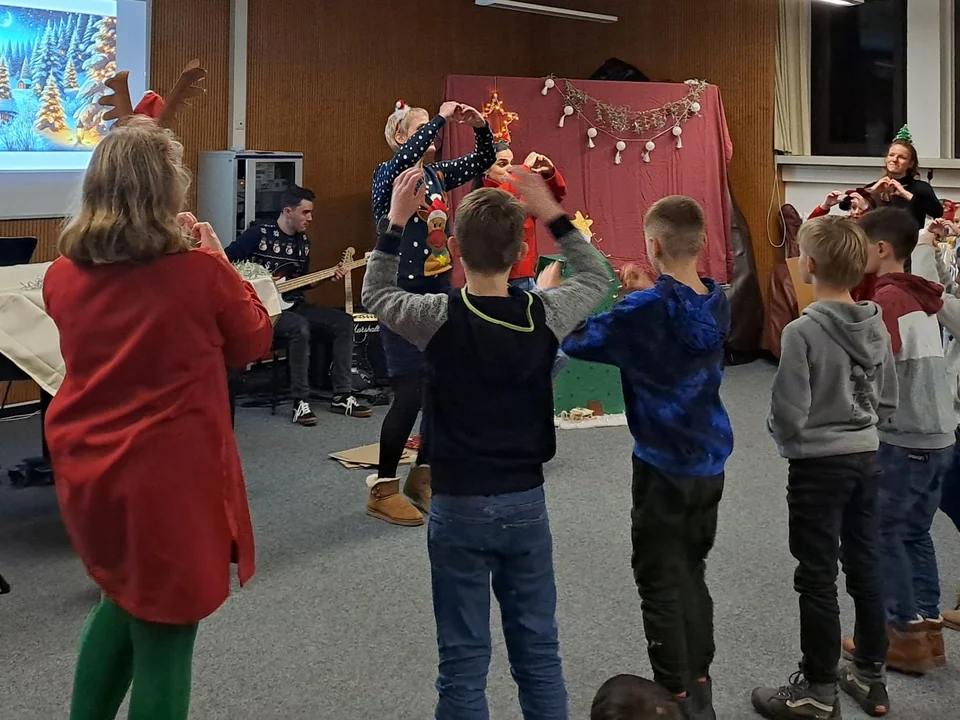
Singing with children
The certificate focuses on key content and skills which are of particular interdisciplinary importance with regard to healthy and responsible singing with children (and young people), both in a school setting and in early childhood education.
Updated on 24 September 2026 by Kordula Manegold